Walk into any seasoned plumber’s van and you’ll see order born from necessity. Every drawer and shelf earns its keep. Tools are grouped by problem: stoppages on one side, water quality testing on another, gas-fitting gear in its own case. Good plumbing is part technique, part judgment, and part having the right tool when time and water are both working against you. Here’s a guided tour through what a professional plumbing company reaches for day after day, why these tools matter, and how choices differ in the field when the job throws a curveball.
The hand tools that never leave the bag
A plumber’s hand tools form the backbone of daily work. They’re simple, durable, and fast. If a technician has to sprint into a basement at 2 a.m. for a burst pipe, these are the tools that make the first five minutes productive.
Channel-lock style tongue-and-groove pliers come out constantly. They grip odd shapes, from shower valves to trap nuts, and they get along with wet, grimy surroundings. The trick is choosing sizes that overlap. A 10-inch and a 12-inch pair cover most household fittings, but a 16-inch earns its keep on 2 inch waste lines. A plumber learns the feel of biting just enough to hold without tearing up chrome or soft brass. When a bath drain nut has seen 20 winters, that finesse matters more than brute force.
Pipe wrenches are the symbol of the trade, and for good reason. They convert grip into torque using serrated jaws, so they need room to swing. Most companies stock them in 10, 14, and 18 inches, with aluminum versions for overhead work where every pound matters. On old galvanized, two wrenches used together, one as a backer, prevent twisting the whole run out of alignment. No single tool causes more damage in untrained hands, which is why you’ll often see a plumber reach for a strap wrench on polished trim to avoid bite marks.
Basin wrenches look odd until you meet a faucet with nuts tucked way behind a sink bowl. The telescoping shaft and pivoting head let you tighten or loosen where human wrists cannot. A lot of sink replacements go from a two-hour fight to a 20-minute job because this tool is in the bag.
Cutting tools round out the basics. Copper tubing cutters with sharp wheels produce clean, square cuts that solder well. Pro tip from the field: keep spare cutting wheels and a drop of oil ready, because a dull wheel makes a burr that later catches debris, then a homeowner calls about low flow. For plastic, ratcheting PVC cutters speed through schedule 40 up to about 1.5 inches; beyond that, a fine-tooth saw and a miter box keep ends square. When space is tight, a close-quarters mini cutter gets into trenches and between studs, though it takes patience.
Hacksaws, utility knives, and reaming tools are always within reach. The reamer or deburring tool is not optional. Skip it on copper or PEX insert fittings and you create turbulence that scars pipe interiors and shortens system life. On the gas side, a round reamer for black iron reduces restriction on threaded joints and prevents whistles.
Tape measures, torpedo levels, and pencils sound mundane, but they separate clean installs from messy ones. A level line of pipe clips on a boiler wall speaks to a plumber’s habits. That same sense of alignment makes water heaters easier to service and reduces strain on joints over time.
Threading, joining, and sealing: where leaks begin or end
Good seals depend on matched materials, clean prep, and the right sealant. You can sense the difference between a plumber and a dabbler by what they set on the floor before assembling a joint.
For threaded connections, most pros carry PTFE tape in at least two densities: standard white for small threads, and thicker pink or yellow for gas or larger fittings. The tape is only half the story. Non-hardening pipe dope rated for the application doubles as a lubricant, letting threads seat fully without galling. On old steel with nicked threads, a paste like a non-setting sealant with Teflon fills voids. No one likes revisiting a job for a weep that shows up once the system heats and cools; doubling up with tape and dope on stubborn threads is a practical hedge.
Soldering copper remains a staple on many service trucks. Torches range from compact MAP-Pro setups to heavier oxy-acetylene rigs, with the latter used for thicker masses and faster heat. Preparation decides success: emery cloth or abrasive brushes to brighten the pipe and fitting, flux that matches the solder alloy, and a bristle brush that hasn’t picked up grit. Wipe joints with a damp rag after flow to pull off residual flux, which otherwise corrodes the joint over time. The small housekeeping steps, learned after cleaning up a green-crusted joint two years later, are what a plumbing company bakes into training.
Press systems changed the pace of commercial and residential work. Press tools from brands like Ridgid or Milwaukee with copper, stainless, or PEX press jaws make joints in seconds, dry or wet. They’re not cheap, and batteries add logistics to the day, but on retrofit work in tight basements with a homeowner’s storage everywhere, press fittings reduce open flames and the anxiety that comes with them. The trade-off is cost per fitting, so companies pick their spots: press on high-risk or time-critical sections, solder on straight, accessible runs.
PEX joined with crimp or expansion systems created another fork in the road. Crimp rings with a go/no-go gauge are affordable and consistent, provided you calibrate the tool. Expansion PEX, used with cold-expansion tools and memory fittings, creates a full-bore path that resists flow restriction. You feel the difference on multiple fixture runs. The downside is temperature sensitivity; cold days slow expansion recovery, so staging joints and using a heat gun prevents rework. Old houses with mouse activity push many plumbers toward PEX with an oxygen barrier and protective sleeves; rodents chew out of sight, and that lesson is expensive the first time you learn it.
For PVC and ABS drainage, solvent welding relies on the right primer and cement. Some jurisdictions require purple primer to prove a joint was prepped. Inside the pipe bell, count a couple seconds longer than you think as you rotate and hold. That hold, 5 to 10 seconds for small diameters, prevents the fitting from backing out. On vertical stacks, that hold is the difference between a leak-free joint and a call-back after the first hot shower. Transitional joints, like ABS to PVC, require specific transition cement, not wishful thinking. And schedule 80 fittings are not a substitute for code-listed transition methods.
Cutting, boring, and opening: making room for pipe without wrecking a house
Plumbing rarely lives in open space. It threads through joists, stud bays, slabs, and cabinets. Moving water where it needs to go starts with holes cut in the right place, at the right size.
Hole saw kits with teeth matched to material prevent charred joists and burned bits. For wood, bi-metal saws do fine. For dense framing or man-made lumber, carbide saws keep their edge. The cleanest plumber I know uses a small tray to catch sawdust under ceiling holes, because cleaning matters when you work in finished homes. On tile and stone, diamond grit hole saws with a water bottle nearby avoid cracks. Drilling through the back of a bathtub apron without a guide is a gamble, so a simple plywood template gets used again and again.
Spade bits have their place for quick work in studs but splinter if you force them. Auger bits shine for long pushes through multiple studs, pulling chips out on their own. Self-feed bits on a right-angle drill power through joists for 2 inch drains, but they fight back. I’ve seen wrists sprained when the bit catches a nail, which is why anti-kickback clutches and two-handed stances are standard.
Reciprocating saws are the demolition workhorses. With the right blade, they slice cast iron, copper, nails, and framing. The trick is restraint. It’s easy to over-cut and compromise a joist or slice a wire behind plaster. Plumbers who grew up on old houses learn to open a small inspection hole first, then expand with mirror and flashlight in hand. When cutting cast iron, a chain-style snap cutter is cleaner and quicker around a pipe, leaving a straight edge that mates well with no-hub couplings. The first time you use a snap cutter, you’ll marvel at the crack traveling around the pipe with a single pull.
Oscillating multi-tools are the finesse instruments for finish work. Notches behind a vanity, trim cuts around a toilet flange, and careful relief cuts around radiator lines get done quietly and with minimal dust. A shop vac hose taped near the blade collects most debris and buys goodwill from a homeowner who just had floors refinished.
Water stoppages and drain cleaning: from kitchen sinks to mainlines
Drain tools separate a general handyman from a plumbing company equipped for the spectrum of blockages. Kitchens fill with grease, hair clogs showers, and roots invade clay mains. The right cable and head clears the plug without breaking pipe.

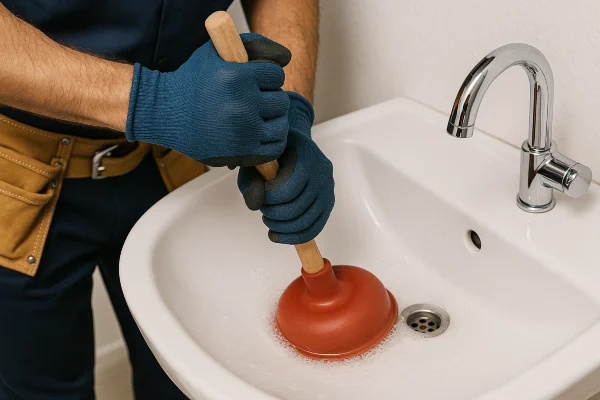
Handheld drum machines work well on 1.25 to 2 inch lines. A 25 to 50 foot cable reaches most sink and tub traps. The best tip is to let the cable do the work: feed steadily, feel for resistance, then torque through, withdraw, and flush. If you just churn, you’ll kink the cable and polish the clog instead of removing it.
Mid-size sectional machines with interchangeable 7.5 or 15 foot sections go deeper and allow tailoring the head to the material. A boring bulb starts exploratory work; switch to a grease cutter for kitchen lines or a C-cutter for scale. The moment the machine labors and the cable tries to wrap, stop and rethink. Plenty of old cast iron stacks have thin walls, and aggressive heads turn a blockage into a breach. Companies that see a lot of old infrastructure encourage camera inspection before running heavy cutters.
For mainlines, drum machines with 100 feet or more of cable and a solid frame are the standard. They’re heavy, so ramps and two-person lifts save backs. Many plumbers carry inflatable test balls for temporarily blocking a line to isolate a leak or perform a pressure test on a remodel. On root intrusions, cutting once is a temporary fix. Offering hydro-jetting, if the company has the rig, clears debris and scours walls so camera inspection afterward shows defects honestly. Hydro-jetting is loud, wet, and effective; protection for floor drains and careful management of backflow become part of the setup checklist.
Enzymatic drain maintenance products and bacterial treatments have a role after clearing, especially in commercial kitchens. A plumbing company that explains maintenance schedules and sets realistic expectations reduces repeated stoppage calls that frustrate everyone.
Diagnostic tools: finding the problem before opening a wall
Modern diagnostics save time, money, and drywall. A few devices see constant use because they reduce guesswork.
Inspection cameras for drains changed the playbook. Push-cams with self-leveling heads and distance counters let a plumber show a client exactly where a joint failed or roots entered. Marking the floor with the footage and the locator position informs excavation or a localized repair. The footage also protects the company, providing a record before and after cleaning.
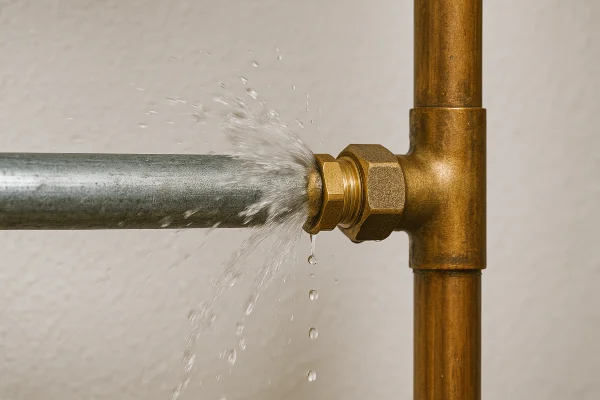
Thermal imaging cameras reveal hidden leaks in radiant systems or pinhole copper leaks behind walls. They don’t see water directly, they detect temperature differentials. That distinction matters. Run hot water to accentuate a suspected line, then scan. Moisture meters confirm what the thermal camera suggests. Combining both gives a confident plan for minimal openings.
Gas detectors and manometers earn quiet respect. A combustible gas sniffer quickly checks new appliance connections or reports of faint odors. Soapy water remains the simplest leak check on threads. For pressure testing, a reliable manometer and test rig allows verifying regulators and watching for pressure drop. On low-pressure systems, even a small leak shows up as a slow drift over minutes. Documenting those numbers in a work order builds trust.
Electronic listening devices assist on slab leaks. By correlating sound patterns and isolating zones via shutoffs, a plumber can zero in on a hot water line leak without turning the slab into a checkerboard of patches. In regions with soft copper under slabs, this skill keeps projects contained.
Water quality test kits sit in many vans now. Hardness, chlorine, iron, and pH readings guide recommendations on softeners, filters, and corrosion mitigation. Rather than guessing, a plumber shows a homeowner that their hardness is 18 grains per gallon and explains why their cartridges clog every six weeks. Numbers persuade better than jargon.
Safety gear and habits that keep the day uneventful
The best plumbing company treats safety as part of craftsmanship. Tools help, habits do more. Eye protection is non-negotiable. Cutting PVC or hammering in a basement sends chips flying, and one corneal abrasion ruins a week. Hearing protection gets overlooked during quick cuts with a reciprocating saw; cumulative damage is real, so earmuffs hang on the cart. Gloves are personal choice, but most techs carry thin nitrile for dirty work and cut-resistant gloves for demolition. Burn protection around torches begins with flame cloth and a fire extinguisher within arm’s reach. More than one old house burned because someone trusted a thin sheet of aluminum behind a joist while soldering.
Respirators or at least good dust masks help during cast iron cutting and when opening old walls with mouse nests. Sewage exposure requires vaccination awareness and hygiene discipline. A company that provides wash stations, disinfectants, and clear protocols keeps techs healthier.
Ladders and fall protection gear matter for roof vent work. Tie-offs are not just a commercial site requirement; they are a practical step when a morning dew turns a roof slick. Even a short fall onto a driveway puts a tech out for weeks, and the schedule ripple hits every customer.
Water heaters, boilers, and fixtures: purpose-built tools that pay for themselves
Beyond general plumbing, specialty tools speed up installs and service on common items. For tank water heaters, pan crimpers and sheet metal snips tailor flue connections. A combustion analyzer is not just for boiler technicians. Checking draft and combustion on atmospherics prevents backdrafting and carbon monoxide issues after a bathroom fan upgrade changes house pressure. On tankless units, descaling pumps and hoses make maintenance predictable. The company that includes isolation valves on install day saves the future you an hour of improvisation.
On hydronic boilers, pressure testers, expansion tank gauges, and purge carts streamline air removal. A hose bib key and a disciplined purge order avoid the temptation to crank up a pump to blast air through. Air separators and properly placed vents do the heavy lifting, but only if air is coaxed to them with patience.
Fixture work rewards finesse tools. A Plumber faucet handle puller removes corroded knobs without cracking porcelain. Seat wrenches refurbish old compression valves in-place when replacements would scar tile. A cartridge puller beats pliers on stubborn single-handle faucets and reduces the chance of twisting the valve body in the wall. Those minutes saved come from having the right specialty tool within reach rather than making do.
Toilet installs benefit from a good flange repair kit, quality closet bolts, and a simple stick to check toilet horn to flange height. Wax rings seal well when compression is correct, not when you stack three to reach a low flange. On soft floors, a plumber might recommend reinforcement before setting a new bowl. That judgment call prevents the thin creak underfoot that later becomes a leak.
Working with different pipe materials: a moving target
A plumbing company sees the whole ecosystem of materials. Choices depend on region, code, cost, and the structure itself.
Copper remains common for domestic water. Type L in walls, Type M in low-risk, accessible areas, and Type K underground. Spotting pinholes in soft water areas often comes back to aggressive water chemistry and poor electrical bonding. In those homes, adding dielectric unions and proper bonding across meters reduces galvanic activity. A company that tests pH and identifies stray current earns credibility when recommending changes.
PEX is now ubiquitous in new construction and repipes. Running home-run manifolds to fixtures cuts fittings behind walls and makes isolation easy. Color-coding hot and cold simplifies service. The risk is mechanical damage and UV exposure. Plumbers protect runs through studs with steel plates and sleeve through concrete. The quiet side effect many clients love is reduced water hammer compared to copper, though proper arrestors still matter at fast-closing valves.
CPVC shows up in many older remodels. It glues easily but becomes brittle with age and heat. Working on it requires a gentle hand and support for joints that might crack if stressed. Transitioning from CPVC to PEX with listed adapters is cleaner than threading together a tower of bushings. When a plumber sees yellowed CPVC near a water heater, they may suggest a proactive replacement section away from the heat source.
Black iron and CSST for gas each have their quirks. Threading black iron requires cutting oil, sharp dies, and attention to thread engagement. Too loose leaks, too tight cracks a fitting. CSST speeds runs but demands bonding clamps and careful routing to avoid damage. A company that trains techs on lightning strike vulnerabilities with CSST reduces catastrophic failures.
Cast iron still belongs in certain applications for sound-dampening in multi-story drains. Cutting and coupling with no-hub bands uses a calibrated torque wrench on clamps, not guesswork with a nut driver. Over-tightening distorts the gasket and under-tightening leaks under load. That torque wrench, often overlooked, pays for itself in one avoided ceiling repair.
Battery platforms and power management: productivity in a case
Cordless tools changed service work. A plumbing company usually standardizes on one or two battery platforms to reduce chaos. Press tools, hammer drills, band saws, work lights, and even drain cleaners now share packs. The decision isn’t just brand loyalty. It’s about runtime, cold-weather performance, and charger logistics in vans. Spare packs rotate on a schedule. In winter, batteries live inside the cab to stay warm. On long days, a small inverter and van-mounted chargers keep the fleet alive.
Cordless band saws are unsung heroes, making clean cuts on threaded rod, copper, and even stainless. They reduce sparks in tight basements compared to grinders. Hammer drills handle masonry anchors for clamps and appliance vents. Impact drivers speed lag screws into ledger boards for hose bibs. The tool that surprises many is the cordless vacuum. Keeping work areas clean while cutting, drilling, or descaling makes customers comfortable and reduces post-job friction.
Consumables and smalls: the quiet inventory that closes jobs
Fasteners, hangers, and seals aren’t glamorous, but running out of the right item burns hours. A van drawer with copper straps in common sizes, plastic insulators, all-thread rod, and a handful of swivel hangers allows neat, code-compliant support. Lead-free solder, flux, emery paper, primer, cement, PTFE tape, and dope share a tote close to the door. Hose gaskets, toilet tank bolts, closet bolts, and assorted O-rings live in labeled bins. The labeling system matters. Good plumbers don’t rummage while a homeowner watches. They know where the 3/8 compression ferrules are because every van is set up the same way.
Dielectric unions, dielectric nipples, and dielectric grease live together so transitions across dissimilar metals are handled by habit. Vacuum breakers for hose bibs prevent backflow and are an easy add-on when replacing exterior faucets. Anti-siphon fill valves for toilets save return trips when a two-dollar part causes phantom fills.
When to upgrade and when to hold back
Tools can become a hobby, but a plumbing company evaluates gear by reliability, speed, and risk reduction. Press tools, inspection cameras, and thermal imagers paid for themselves in months for us, mostly through shorter visits and better diagnostic accuracy. Hydro-jetters and trailer-mounted sewer equipment require space, maintenance, and a steady stream of work to justify. Some shops partner with specialists rather than buy. That choice frees capital for training or vans.
At the other end, some “miracle” tools get a short trial and then collect dust. Pipe-freezing kits, for instance, help on small diameter copper when shutoffs don’t hold, but they’re finicky in warm rooms and on heavy lines. Freeze where you can isolate and verify seal, not on pipes that sneak heat from nearby runs. The judgment to walk away or reschedule for a proper shutdown avoids expensive surprises.
Battery presses illustrate a practical trade-off. On a multi-valve replacement in a hospital, press is a gift. In a wide-open basement with new copper, solder is efficient and cheap. Training techs to evaluate each run rather than default to a single method keeps margins healthy and results consistent.
Real-world examples that shape a toolbox
Two snapshots from jobs explain why certain tools live within reach. On a winter emergency, a 1 inch copper main split above a finished ceiling. Water was raining through recessed lights. The first five minutes mattered. We shut the street valve, popped two can lights to access the void, then used a compact press tool with a slip coupling to make a single repair while the line still wept. No torch, no flame near joist insulation. The homeowner was mopping, not evacuating. That press tool turned a chaotic scene into a manageable one.
Another day, a kitchen sink clogged every month. The previous company ran a small cable through the trap, and it worked for a week. We pulled the P-trap, cameraed the line, and found scale buildup in a 1950s cast iron run 15 feet away. A mid-size sectional machine with a descaling head cleared it, then a follow-up with a small jetter washed the debris. We showed the homeowner the before and after video, explained maintenance, and the callbacks stopped. The camera and the right cutters told the truth and guided the fix.
A quick field checklist for the essentials
- Hand tools ready: tongue-and-groove pliers, pipe wrenches, basin wrench, cutters, deburring tools, torpedo level Joining gear matched to job: solder kit or press tool, PEX crimp/expansion tools, sealants and tapes rated for application Cutting and boring: hole saws, right-angle drill, reciprocating saw, snap cutter, oscillating tool with blades Diagnostics staged: drain camera, thermal imager, moisture meter, gas sniffer, manometer Safety and support: eye and ear protection, flame cloth, extinguisher, respirator, ladder tie-off, clean-up vac
How a well-equipped plumbing company thinks
A good plumber may look like a magician to a client, but the work is systematic. Diagnose before you cut. Choose joining methods that fit the material, environment, and risk. Use torque where torque belongs, and restraint where fragility lurks. Keep safety gear as close as the pliers. And keep the van organized so the next job starts on the right foot.
A plumbing company invests in tools that serve the most common problems with the greatest reliability. It also invests in teaching techs how, and when, to use them. That’s where the difference shows between a quick fix and a durable repair. The toolbox isn’t just steel and plastic; it’s a philosophy. And it gets refined every time a stubborn clog, a silent leak, or a restless boiler teaches one more lesson.
THE LEANDER PLUMBER - COMPANY 1789 S Bagdad Rd #103, Leander, TX 78641 (737) 530-8021