Commercial decks sit at a tricky crossroad. They function as social and service spaces, yet they must also behave like parts of an exit system during an emergency. They face heavy foot traffic, cooking equipment on patios, planters and heaters, cigarette ash, and sometimes rooftop mechanicals. All of that folds into one central question: what does the building code expect from you, and how do materials and design choices meet those expectations without turning the deck into a bunker?
I have managed projects where a patio seemed straightforward on paper, then took months of code negotiation because of a rooftop grill, a route of egress, and a neighbor’s proximity. The difference between a smooth approval and a costly redesign often comes down to understanding where fire, structure, and materials intersect in commercial deck building codes. The same instincts that serve you on a wooden deck in a backyard help, but the stakes and the rules change when it becomes a place of public accommodation.
The regulatory map: which codes apply
Commercial decks rarely fall under a single rulebook. Most jurisdictions adopt a version of the International Building Code for commercial structures alongside local fire codes. The International Fire Code can also apply, and local amendments often tighten requirements around open flames, heaters, and rooftop uses. By contrast, residential deck building codes typically track the International Residential Code and may allow prescriptive wood details without an engineer. The commercial environment brings occupancy classification, egress, fire ratings, and sometimes smoke control and alarm integration.
Expect your building official to ask four early questions. Where is the deck in relation to the building, lot line, and neighboring structures? What is the occupancy of the deck and the rooms it serves? Will it be on grade, elevated off a podium, or on a roof? Will it involve open flames or heaters? The answers drive material limitations, fire separation distances, required sprinklers, and sometimes a fire-resistance rating for the deck structure itself.
If you are building on an existing commercial building, the current edition of the code applies to the new work, even if the base building is older. That can trigger upgrades to guardrails, handrails, or lighting, and it can push the project into a full permit with plans sealed by a professional. Most authorities will not treat a commercial deck as a casual add-on.
Occupancy, load, and fire safety start with headcount
Allowable occupant load determines everything from how many exits you need to the width of those exits, and it influences the fire design. Outdoor assembly spaces often default to a load factor around 15 square feet per person when standing with tables and chairs, sometimes as low as 7 square feet per person for standing areas. On one restaurant patio, a client had sketched a cozy 1,000-square-foot space and imagined 40 patrons. By code math, the load could run 60 to 140 people depending on furniture layout. That difference meant a second exit, wider stairs, and a sturdier frame to handle live load.
Structural live loads for commercial decks usually run 100 pounds per square foot for assembly use. Residential decks often use 40 to 60 psf. That alone pushes you toward heavier framing, larger members, or steel. Once fire requirements enter the picture, your material choices must meet both structural strength and fire performance, not one or the other.
Location drives fire requirements
Grade-level decks attached to a fully sprinklered commercial building may face modest fire constraints, provided there is adequate fire separation to property lines. Elevated decks that project from the building, wrap around a facade, or sit on roofs add layers of complexity. Several common triggers appear in practice.
- Close proximity to a lot line can restrict combustible materials or require a fire-resistance rating for the deck structure or a solid barrier to slow fire spread. Decks above other occupancies, especially over a garage or retail space, often sit on a rated floor or podium. The deck assembly may need its own fire-resistance rating or be constructed of noncombustible materials. Rooftop decks frequently fall under specific rules for guard height, parapets, wind, and fuel-fired appliances. Some jurisdictions cap the size of rooftop assembly areas unless the building has added fire protection, like sprinklers dedicated to the roof.
If you only remember one location lesson, remember this: the closer you get to property lines and the higher you go on the building, the more the code expects a fire-tolerant or noncombustible construction approach.
Combustible versus noncombustible: the material fork in the road
A lot of commercial projects begin with the owner wanting the warmth of a wooden deck. Nothing is wrong with that instinct. The reality, however, is that commercial deck building codes often steer you toward steel framing and concrete or other noncombustible surfaces, not because wood is inherently unsafe, but because noncombustible construction simplifies compliance.
Wood can still win a place on commercial decks, though the context matters. Treated southern pine or Douglas fir framing is familiar, cost effective, and easy to modify on site. Fire-retardant-treated wood, labeled and tested, can be used in many nonbearing applications where plain combustible wood would be restricted. For toppings, dense tropical hardwoods like ipe char slowly and can achieve better performance than softer species, though they remain combustible and must be used carefully. Composite decking varies widely. Most are combustible, even if they self-extinguish or carry better flame spread ratings. A few mineral-based composites or fiber-cement products reach Class A surface ratings and behave more like noncombustible materials.
On the noncombustible side, steel framing with pedestal pavers gives you a nimble system that meets many rooftop requirements. Porcelain or concrete pavers achieve Class A surface ratings and resist cigarette burns, grease, and radiant heat from heaters. Aluminum framing and grating also appear in waterfront and rooftop projects where corrosion or weight are concerns. These choices often smooth the permit path and reduce the fire modeling you may otherwise need.
Flame spread and surface performance
For horizontal walking surfaces, fire performance typically revolves around flame spread and smoke development ratings. Many jurisdictions target a Class A or B rating for surfaces in egress routes and assembly spaces. A Class A rating generally means a flame spread index of 0 to 25 in standard tests, with low smoke. Concrete and porcelain tile meet this comfortably. Many composites and some high-density modified woods can reach Class A with the right profile and color. Paints and coatings do not usually upgrade a poor substrate enough to change its classification, and topical fire retardants on deck boards weather off in months.
Do not confuse a Class A surface with a noncombustible material. A Class A composite board can still burn if a strong ignition source lingers. That becomes relevant near grills, heaters, and decorative fire features. In those zones, codes and manufacturers typically require noncombustible pads or pavers, and some inspectors expect a clearance of 3 to 5 feet around open flames.
Sprinklers and their real-world fit
Sprinklers influence what the code allows you to use. A fully sprinklered building often gains more flexibility for combustible materials on attached decks, particularly at grade. Rooftop decks can be different. Heaters and furniture can shield heads, and wind can disrupt spray patterns. Some teams add deluge heads or water mist systems designed for exterior use. Others keep combustible decking off rooftops and go with pavers or tile over a protected membrane. If you plan to rely on sprinklers to justify a combustible design, bring the fire marshal into the conversation early and confirm the system type and head selection that will be acceptable outdoors.
I have seen a project stall for weeks because the sprinkler engineer assumed standard quick-response heads would satisfy a rooftop patio, while the local fire official wanted open deluge heads on separate controls. That change affected piping sizes and ceiling penetrations, which in turn affected waterproofing. The lesson is consistent: document the sprinkler intent on the sheet set early, especially for exterior zones.
Egress in the real world
When you add an assembly deck to a commercial building, you are effectively adding another room that people might need to evacuate from. Two remote exits are common once you cross a relatively small occupant load. Those exits must be sized for the calculated load, on accessible paths if required, and should not rely on a single interior point of failure. Exterior stairs often need landings, intermediate platforms, and guards to the same standard as interior stairs. You also need landscape and furniture plans that keep the egress width clear. Inspectors do not ignore that last part. A deck designed for four-foot aisles can turn into a two-foot choke point once portable heaters and planters appear.
Lighting matters more than many think. Codes require minimum illumination along egress paths and sometimes emergency power for those lights. If you are building a rooftop deck, power for emergency lights, exit signs, and possibly emergency battery units should be part of the coordinated plan. Those small decisions determine how inspectors view the overall seriousness of your life-safety approach.
Fire separation and rated construction underfoot
Decks above occupancies that require rated separations bring a different set of challenges. Suppose you are building a second-floor deck above a first-floor retail space. The structural slab below CK New Braunfels Deck Builder may be a rated assembly, and any penetrations for anchors, drains, or electrical conduits require compatible firestop systems. For framed decks that hang off a rated exterior wall or attach to a rim, the ledger connection must not compromise the rating. In some cases, freestanding steel frames that sit on dunnage and avoid penetrating the rated envelope give a cleaner compliance path.
On rooftops, pay attention to parapet height and continuity. Parapets can act as a fire barrier between adjacent roofs or uses. Cutting them down for views can erode your fire separation strategy and lead to more expensive material choices elsewhere. When a client insists on low sightlines, I reach for noncombustible decking and built-in planters that double as guard and heat break, keeping the fire narrative intact without tall parapets.
Grills, heaters, and open flames
Most conflicts between design and code show up when a patio menu involves live fire. Portable propane heaters used to be placed without much thought. That era has ended in many cities. Some require a permanent gas supply with shutoffs and seismic protection, certified clearances from combustible surfaces, and distances from exits. Tabletop fire features and wall-mounted heaters add another layer. Their clearance zones often overlap exits and furniture circulation.
Commercial grills on decks usually demand a dedicated ventilation strategy and fire suppression, similar to an indoor kitchen hood but rated for outdoor installation. The code will likely require noncombustible surroundings for a defined radius around the cooking equipment, and some jurisdictions prohibit solid-fuel grills on upper-level decks entirely. Factor this in during schematic design. Trading a wood deck for a paver field around the grill island is a small compromise compared to losing the equipment late in permitting.
Drainage, membranes, and the fire-waterproofing tandem
A deck that performs well for fire safety but fails at water management will not last. On podiums and roofs, you typically build over a waterproof membrane with pedestals or sleepers. Sleeper systems on top of membranes introduce trapped debris and potential ignition pockets if cigarettes drop through gaps. I prefer pedestal pavers for fire zones because debris tends to stay on the surface where staff can clean it. If a client insists on a wooden deck, I add tighter board spacing, trays below frequent smoking areas, and a cleaning protocol. Inspectors appreciate the operational plan as much as the material choice.
Sleeper species matter. On protected membranes, many specs call for noncombustible or treated materials. Pressure-treated wood is common but can shrink and create pinch points in flashings. Recycled plastic sleep ers solve rot, though they can still be combustible. Aluminum sleepers paired with pavers strike a good balance for weight, fire, and longevity, especially on roofs.
Detailing edges, guards, and the small parts that carry risk
Guards and handrails seem like a straightforward structural requirement, but their material and detailing affect fire behavior. Vinyl-clad guards and wood top rails can ignite under a heater, then drip. Powder-coated steel or aluminum guards with noncombustible top caps work better near heat sources. On a hotel deck with heaters mounted along a guard line, we replaced the top wood cap with a porcelain slab over an aluminum extrusion, keeping the warm touch while solving the heat exposure problem.
Cigarette disposal stands are not just amenities. Fire departments often look for them in smoking areas. If you avoid installing them, staff will improvise, and improvised ashtrays make poor fire controls. Plan for them, anchor them, and place them away from combustible surfaces.
The wooden deck in commercial use: where it still fits
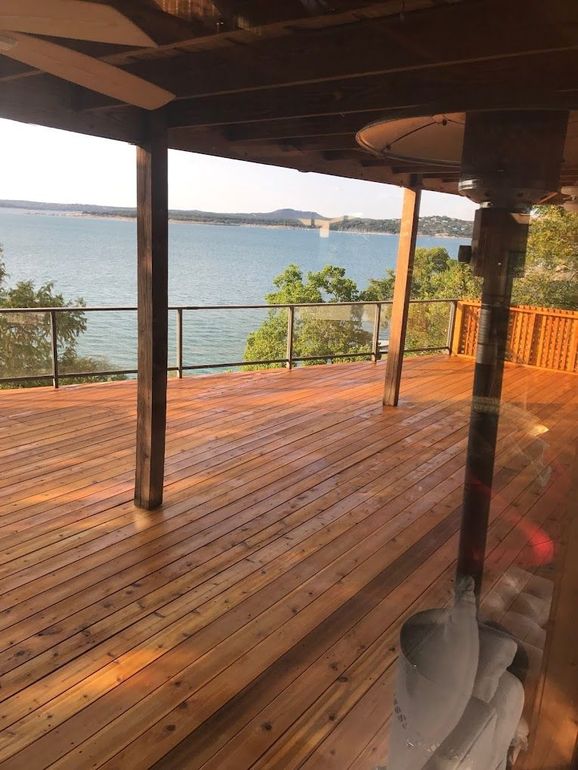
There is a place for a wooden deck in commercial settings, especially at grade with generous setbacks. Cafes and breweries often rely on wood because it is warm, affordable, and repairable. In these cases, the main code pressures include occupant load, guard height and strength, stair and ramp geometry, and clear paths of egress. Flame spread ratings for the deck boards matter if the deck doubles as part of an egress path. Fire-retardant-treated wood can help for fences or privacy screens, though it is less common for walking surfaces.
The difficulties begin when combustible wood meets tight lot lines or elevated conditions. You can mitigate some risk by confining wood to furniture and planters, then using noncombustible walking surfaces. Hybrid solutions keep the visual warmth while sidestepping the strictest combustible limits. Work with deck building contractors who understand these trade-offs and can present options that satisfy both the business’s brand and the code.
Comparing residential and commercial realities
People familiar with residential deck building codes often expect similar rules to apply when they expand into a small commercial project. The differences can be subtle but significant. Residential codes rely on prescriptive tables for joist spans, posts, and guard connections. Commercial projects often need engineered calculations, especially above grade or when the deck serves assembly loads. Residential inspections may focus on ledger flashing and post footings. Commercial inspections extend into egress, lighting, fire separations, and operational plans for heaters and cooking.
I was once asked to “reuse the residential detail set” for a corner restaurant patio. The seating layout and egress demands changed the stair geometry, the live load doubled, and the proximity to an alley required a rethink of materials near the lot line. It took roughly the same drawing hours as a small roof addition. Expect that level of effort when you cross over to commercial, even if the square footage seems modest.
Working with the authority having jurisdiction
The smartest hour you can spend is the one where your design team meets the building and fire officials early, presents the deck’s concept, and tests assumptions. Bring a site plan with clear distances to property lines, a floor plan showing exits and aisle widths, a materials palette with flame spread ratings, and a note on sprinklers or hose bib locations. If grills or heaters are in the concept, put the manufacturer cut sheets on the table with clearance diagrams. That conversation sets the path. It also builds trust that you will not spring surprises in the final submittal.
When officials see a team that treats fire and egress as the spine of the design, they are more willing to consider reasonable alternatives. For example, one urban site lacked room for a second straight stair within the facade rhythm. After a meeting with the fire marshal, we designed a switchback stair with an intermediate landing that doubled as a small service platform for staff. It preserved sidewalk flow, met width requirements, and kept the egress logic intact.
Practical choices that harmonize fire safety and experience
Most commercial decks benefit from a few practical patterns that rarely go out of favor:
- Use noncombustible or Class A walking surfaces within a five-foot radius of heaters, grills, and fire features, even if the broader deck uses wood or composite. Choose steel or aluminum guard systems and top caps where heat is present, keeping combustible trim away from heater throw patterns. Lay out egress early, then keep flexible furniture zones outside of those paths so that operations do not pinch the required width on busy nights. Specify lighting on dedicated circuits with emergency backup in larger assembly decks. Wall-wash fixtures along exits help inspectors trust the plan. Detail penetrations and attachments as if they are part of a rated assembly, even when not strictly required. It keeps water and fire narratives aligned and simplifies future changes.
That short list does more than pass inspections. It also creates a deck that the staff can manage safely on a Friday night without a code expert on hand.
Choosing the right team and documenting the intent
For commercial decks, a thoughtful pairing of design and construction pays off. Deck building contractors who have only worked in residential settings can succeed on commercial jobs if they collaborate with a licensed engineer and a code-savvy architect early. The drawings should cover more than framing and finishes. They should include egress diagrams, lighting and power for exit signs, heater locations with clearance zones, and any sprinkler or hose connections. When inspectors see a complete narrative, they focus on fine-tuning rather than questioning the fundamentals.
Include an operations note in the permit set if heaters, grills, or seasonal tents are expected. Some jurisdictions require a separate operational permit from the fire department. Attaching that application to the building permit can save weeks later.
Cost, schedule, and the risk of rework
Noncombustible decks can look expensive up front. Steel framing and pedestal pavers cost more per square foot than a basic wooden deck. Yet rework costs, permit delays, and insurance implications quickly erase the savings from a combustible design that pushes the boundaries. A restaurant group I worked with used a cost metric that summed first cost plus a predicted delay cost per week. Their average rooftop patio carried a three to five week permitting risk if combustible decking was proposed near a lot line. Switching to pavers cut that risk to a week, and saved them more in opening-day revenue than the premium in materials.
That kind of math changes the conversation. It also helps owners plan seasonal launches with realistic buffers for inspection scheduling, special inspections for welds or anchors, and final fire sign-off.
A final word on durability and housekeeping
Fire safety does not end when the inspector signs the card. Staff training, a cleaning plan, and a schedule for checking heaters and fuel lines keep risk in check. Ash cans need to be emptied into metal bins with lids, not plastic bags. Spare propane cylinders should live in ventilated cages away from exits. Grease from outdoor cooking should collect in containers that do not sit on combustible flooring. These are operational habits, but they start with design. Give the staff the right storage, clear signage, and durable surfaces, and they will keep the deck safe with less effort.
Material durability supports safety. A charred, soft board near a grill becomes a maintenance item that can trip a patron or expose fasteners. Pavers resist this kind of degradation. If you use a wooden deck, commit to periodic board replacement in heat zones and specify face-fastened patterns that allow a quick swap without removing long runs.
Bringing it together
Commercial decks live at the intersection of hospitality and life safety. They welcome crowds, then must serve as part of the exit system when it matters most. The code landscape can feel dense, yet a simple approach tends to work. Determine the occupancy and egress early. Map the deck’s location relative to property lines and floors below. Select materials with fire performance in mind, especially near heat sources and on rooftops. Use sprinklers and noncombustible surfaces to simplify approvals when the site is tight. Document the plan clearly, involve the authority having jurisdiction early, and choose contractors and consultants who understand the difference between residential and commercial expectations.
A wooden deck still has a place, particularly at grade with room to breathe. In tighter urban or elevated conditions, noncombustible systems often earn their keep through smoother permitting, better durability, and fewer operational constraints. The better you connect these choices to fire safety from day one, the better your chances of delivering a deck that delights guests, satisfies inspectors, and stands up to years of use.
Business Name: CK New Braunfels Deck Builder
Address:
921 Lakeview Blvd,
New Braunfels,
TX
78130
US
Phone Number: 830-224-2690
CK New Braunfels Deck Builder is a trusted local contractor serving homeowners in New Braunfels, TX, and the surrounding areas. Specializing in custom deck construction, repairs, and outdoor upgrades, the team is dedicated to creating durable, functional, and visually appealing outdoor spaces.
Business Hours:Mon 7AM-7PM
Tue 7AM-7PM
Wed 7AM-7PM
Thu 7AM-7PM
Fri 7AM-7PM
Sat 7AM-7PM
Sun 9AM-5PM
CK New Braunfels Deck Builder
CK New Braunfels Deck Builder is a local company located in New Braunfels, TX. They serve their community by providing high quality yet affordable deck building services. They specialize in wooden deck building, composite deck installation
CK New Braunfels Deck Builder is a local business in New Braunfels, TX
CK New Braunfels Deck Builder builds and installs wooden and composite decks
CK New Braunfels Deck Builder phone number is (830) 224-2690
CK New Braunfels Deck Builder address is 921 Lakeview Blvd, New Braunfels, TX 78130
CK New Braunfels Deck Builder website is https://www.deckbuildernewbraunfelstx.com/
CK New Braunfels Deck Builder offers wooden and composite deck repair
CK New Braunfels Deck Builder has a Google Maps Listing and you can check it here https://maps.app.goo.gl/sBMARoL4Yy9rREzY8
CK New Braunfels Deck Builder serves the historic Gruene Historic District (with Gruene Hall) area.
CK New Braunfels Deck Builder serves residents near Sophienburg Museum & Archives area.
CK New Braunfels Deck Builder serves residents around Comal County Courthouse
CK New Braunfels Deck Builder serves neighborhoods around the New Braunfels Historic Railroad & Modelers Society area.
CK New Braunfels Deck Builder has this Facebook page
Facebook
CK New Braunfels Deck Builder has this Twitter page
X
CK New Braunfels Deck Builder has this YouTube Channel YouTube
CK New Braunfels Deck Builder has this LinkedIn profile LinkedIn
CK New Braunfels Deck Builder has this Pinterest profile
Pinterest